Sometimes doing what you believe is right costs you something you desperately wanted to keep.
The names of the people involved have been changed to protect their privacy. Julie, Yolanda, Lilith and Kara are fictional names.
There is a particular kind of heartbreak in watching someone find a place where they are happy, only to see that happiness disappear.
This is about my fiancée, whom I’ll call Julie.
After nearly a year of searching for employment, she found a job she genuinely loved at a local family-owned grocery business. She enjoyed the bakery, learning the work and getting to know her coworkers. She especially admired her supervisor, Yolanda.
It was more than a paycheque. It was somewhere Julie could see herself building a future.
Then she fell at work. What happened afterward changed how she felt about being there.
An accident nobody was blaming anyone for
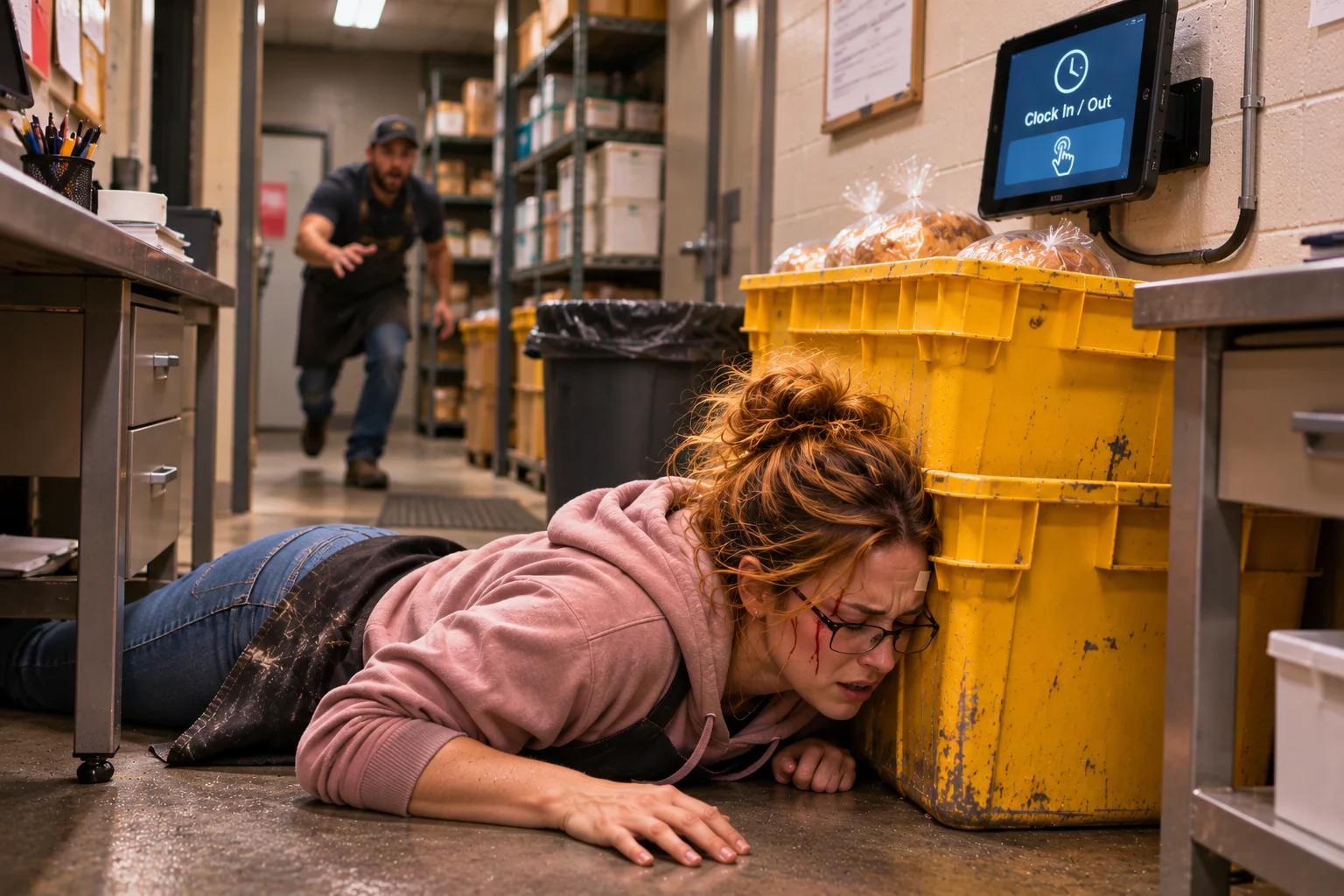
On the day of the accident, I drove Julie to work. After arriving, she greeted Yolanda and went to change her shoes and prepare to clock in.
Near the clock-in station, she lost her balance and fell forward, striking her face against plastic totes and her body against the concrete floor. According to Julie, another employee saw her fall and asked if she was okay, although she did not know his name.
Her eyebrow was bleeding. Yolanda helped bandage it and offered to complete an injury report. Julie declined. She didn’t want to cause problems at work and didn’t yet understand how serious her injuries might be.
Julie says she also told Lilith, the store manager, that she had fallen underneath the clock-in station.
In the following days, her symptoms worsened. She experienced pain, exhaustion and confusion, and sought medical attention.
We weren’t blaming the company for the fall. Accidents happen. Julie wanted to recover, return to a job she enjoyed and avoid heavy lifting while she healed.
A meeting that changed things

When Julie came back to work, she noticed something else that hurt. Coworkers who would normally greet her warmly seemed unable to look at her or speak to her. To Julie, it felt as though they had been told not to speak to her. That change made an already difficult return even more unsettling.
Almost as soon as Julie arrived, HR was waiting to take her to a meeting with Lilith. They made it clear that they needed to deal with her injury and return to work right away, before she began her shift.
During the meeting, Lilith referred to conflicting accounts and said Julie had told her the accident happened on her way to work. Julie says that was not true: she had told Lilith about falling inside the store on the day it happened. When Julie tried to explain, she remembers Lilith responding dismissively that she remembered it differently, with a cross expression. Julie was left with the impression that HR had already been given a version of events very different from what she says happened.
The meeting wasn’t only about where she fell. Julie says Lilith told HR directly that Julie had arrived four or five hours late on the day of the accident. But, according to Julie, Lilith did not tell HR about the broken scheduling system, the missing schedule, or the steps Julie had taken to find out whether she was supposed to work. Lilith knew about those steps firsthand because Julie had contacted her directly.
The night before the accident, Julie had discovered that she had a schedule for the previous week and another for the following week—but nothing for the week in between. She had only recently started the job and didn’t have a regular weekly schedule she could rely on.
Before the expected start of the shift, Julie messaged Lilith to ask whether she was scheduled. The reply came after the shift had already started, and because of technical difficulties and confusion, Julie didn’t see it until later that morning. As soon as she understood she was expected, she apologized, said she would come in as quickly as she could, and offered to stay late to make up the hours.
Julie doesn’t drive and was still unfamiliar with the area. She got lost taking the bus, and I helped her get to work. She arrived around noon. Yet when Lilith described her as four or five hours late in front of HR, Julie says none of that context was included—not the missing schedule, the message Julie sent before the shift, the reply that came afterward, or her offer to work longer.
To Julie, it presented her as an employee who had simply shown up hours late, rather than someone who had tried to find out when she was needed and made an effort to get there. That criticism came alongside the suggestion that she had given a different account of her fall. In one meeting, she felt that both her conduct and her honesty were being questioned when she was trying to explain an injury and return to work.
She tried to carry on afterward. She finished the task she was doing, but became increasingly uncomfortable and overwhelmed. Eventually she told Yolanda she couldn’t continue, and Yolanda said she could go home. Julie had wanted to work; instead, she left feeling deeply hurt and unsure how she could return.
After the meeting, HR said there had been a misunderstanding about where Julie fell. But Julie had already explained that the accident happened inside the store—and she says she had told Lilith that on the day it happened.
What I can tell you is how deeply the meeting hurt Julie. She came away feeling that her account had been questioned and that she could no longer trust the environment around her. The distress did not end when she left the store. In the days that followed, she was still hurting and upset about what happened and about losing a place where she had felt happy.
What Julie wrote—and what the report said
After the meeting, Julie sent Kara a detailed email. She described the fall, the employee who saw it, Yolanda helping bandage her eyebrow, and her recollection of telling Lilith where she had fallen. She asked that her account be accurately documented.
Kara replied that she had received and read Julie’s email, that it helped clarify the sequence from Julie’s perspective, and that she would ensure the account was documented. She also said a WSIB claim would be filed that day.
Later that afternoon, Julie received the employer’s WSIB Form 7.
The form identified the accident as having occurred at the work site and said the employer did not object to the claim. It also answered “No” to whether there were any witnesses or other employees involved. Its description stated that she reported a cut to her temple and an injured rib “at a later date.” Elsewhere, the form recorded the day of the fall as the date the employer was made aware of the injury or illness.
The witness answer is difficult to reconcile with Julie’s written account. So is the description of the cut being reported at a later date when, according to Julie, Yolanda helped bandage it that day and Julie told Lilith about the fall. Julie’s email did not specify when she first reported the rib injury, so I cannot make the same claim about that injury.
Julie had already told HR that someone saw her fall and that Yolanda bandaged her eyebrow that day. Kara confirmed she had read Julie’s account and would document it. Yet the form Julie received afterward said there were no witnesses and described the cut as having been reported at a later date. After trying so hard to explain what happened, Julie was left distressed that important parts of her account were missing from or contradicted by the report. That hurt stayed with her in the days that followed.
An employee should be able to expect that a discrepancy in a workplace injury record will be taken seriously and addressed.
I believe there is a reason the story changed. HR became involved after Julie was absent on Monday, and the issue of WSIB reporting came into focus. My strong suspicion is that concern about the reporting deadline and possible consequences led management to present an account that protected the people responsible: that the company had not understood the fall happened at work until later.
I strongly suspect that concern about those consequences influenced the story management gave HR and what was communicated to staff. To me, that explanation fits the whole pattern Julie experienced: the coworkers who suddenly seemed unable to speak to her, the manager’s dismissive response and incomplete account in the meeting, HR’s handling of her account, and the WSIB form that remains incorrect even after Julie provided the full story. It explains why a fall inside the workplace became a dispute about where it happened, and why an enthusiastic employee came back feeling that the story had already been turned against her. My conviction is stronger still because of other things I have learned, but I will not disclose those details here because doing so could put people I want to protect in a difficult position. This is my interpretation of what happened, and it is the explanation that makes the most sense to me.
The cost of conviction

Julie is proudly autistic. She has told me how much honesty, fairness and integrity matter to her, and how deeply this loss of trust affected her. I won’t speak for every autistic person; I’m telling you about Julie and what this meant to her.
Her grandmother, who raised her, was a proud woman from Curve Lake First Nation. Julie carries the lessons she taught her about strength, respect, honesty and integrity.
Those values became painfully relevant when Julie decided she could not continue working in an environment where she no longer felt she could trust management.
She resigned from a job she loved. Not because she wanted to leave the bakery or the people she worked with, but because the events following her injury had changed how she felt about returning.
That decision came with a financial cost, but the loss cannot be measured by a paycheque alone. After nearly a year of searching for work, Julie had found a job she genuinely loved and people she cared about. Walking away meant losing the future she had begun to imagine there. It was heartbreaking, and she remained upset in the days that followed. She could not simply put the experience behind her.
Integrity is easy to talk about when it costs nothing. It is something else when standing by your convictions means giving up something you desperately wanted to keep.
The response
In her resignation, Julie explained why she was leaving and asked that the concerns about the WSIB report be addressed. She also made a point of expressing her appreciation for Yolanda.
The company’s reply accepted her resignation, effective shortly afterward, and said her concerns would be retained with her employment records. It wished her well. The reply did not address the substance of her concerns or her request concerning the WSIB report.
I cannot say from that response alone what the company may or may not have done separately. I can say that, after everything Julie had shared, the response did not answer the questions she had raised.
What remains
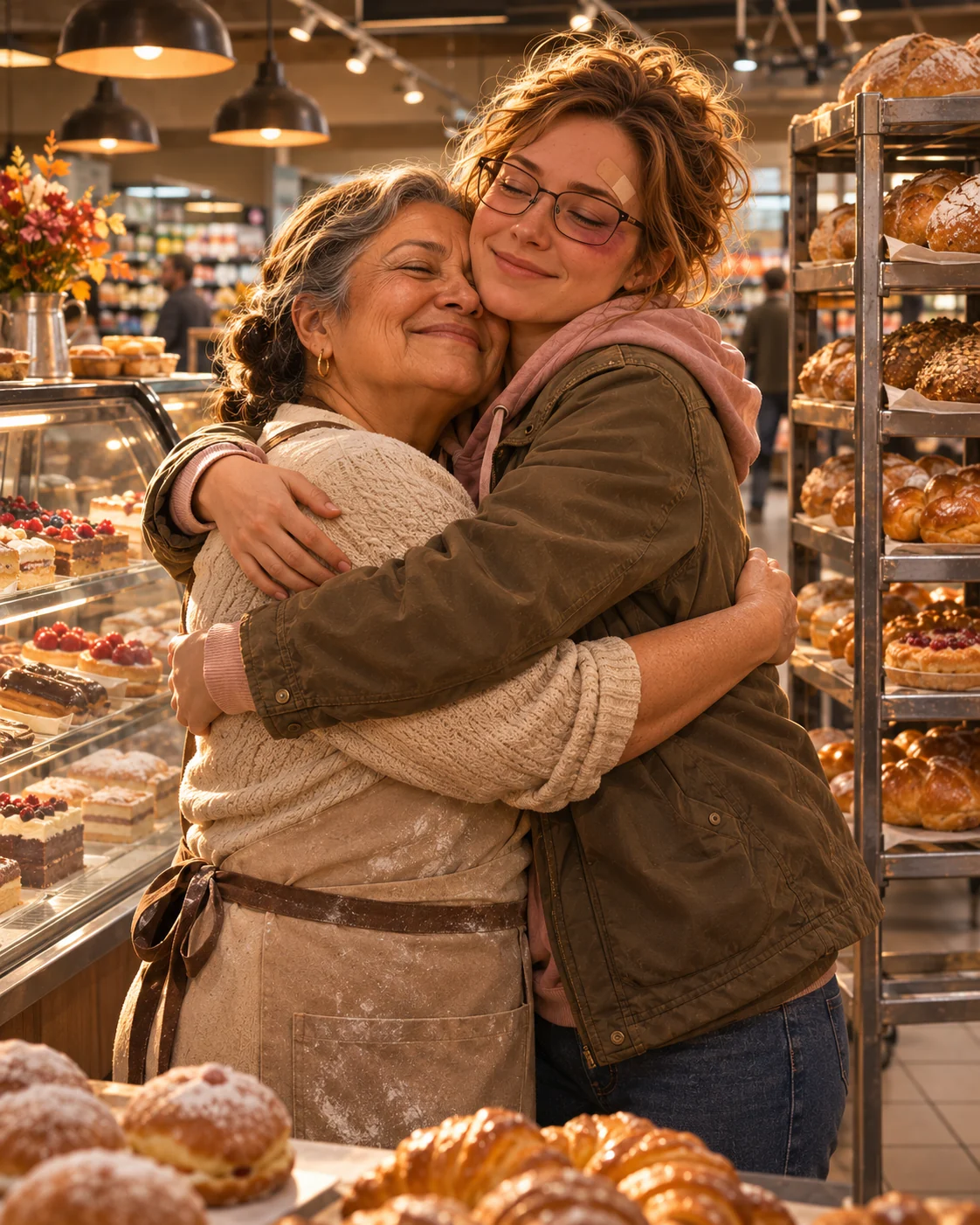
Julie still speaks warmly about Yolanda. She admired her dedication and the care she put into her work, and she is genuinely sad that they will no longer work together.
That matters. Julie didn’t stop caring about her work or her coworkers. She lost confidence in the management environment around her.
The company had the opportunity to listen to Julie, accurately document her account and address the discrepancies she raised. Instead, she was left feeling that her honesty had been challenged and her concerns had not been properly addressed. I hope the company examines what happened and corrects the record.
I wish this had ended differently. I wish an accident had been followed by clear communication, accurate documentation and a process that left Julie feeling heard. Most of all, I wish she could still look forward to going to a job she loved. In the days that followed, she was still hurting and grieving the loss of that place and the people she had hoped to keep working alongside.
I’m proud of her—not because losing an income is something to celebrate, but because she took a painful decision seriously and refused to pretend the loss of trust did not matter.
I would never suggest everyone should make the same choice. People have different responsibilities, financial circumstances and limits.
Sometimes standing by your convictions doesn’t feel empowering. Sometimes it feels devastating.
And sometimes the hardest part is knowing how much you wanted to stay, and deciding you cannot.